Category: Art Blog

  • Essential Art Resources for Illustrators, Animators, and Graphic Designers

    Essential Art Resources for Illustrators, Animators, and Graphic Designers

    In the fast-evolving world of art and design, staying updated with the latest trends, techniques, and industry news is essential. Whether you’re an illustrator, animator, or graphic designer, having the right resources at your fingertips can elevate your craft and keep you inspired. Here’s a curated list of magazines, online platforms, and communities that every creative professional should explore.

    Magazines (Print & Online)

    Communication Arts

    One of the most respected publications in the creative industry, Communication Arts is a must-read for anyone involved in design, illustration, advertising, photography, and interactive media. The magazine offers in-depth articles, interviews with industry leaders, and showcases of cutting-edge work. If you’re looking to stay informed about the broader creative landscape, this magazine is a great starting point.
    Link: Communication Arts

    Print Magazine

    For graphic designers, Print Magazine is a treasure trove of insights into visual culture. It covers everything from design thinking and branding to typography and the latest trends in graphic design. With a focus on thoughtful analysis and rich visuals, Print is perfect for those who want to delve deeper into the theory and practice of design.
    Link: Print Magazine

    3×3 Magazine

    Illustrators will find 3×3 Magazine particularly inspiring. Dedicated solely to contemporary illustration, it features work from some of the most talented illustrators around the globe. The magazine’s focus on high-quality art and its annual illustration awards make it a significant resource for anyone looking to make a mark in the world of illustration.
    Link: 3×3 Magazine

    ImagineFX

    If your interests lie in digital art, particularly within the realms of fantasy and sci-fi, ImagineFX is a leading magazine in this niche. It’s packed with tutorials, artist interviews, and galleries of stunning artwork. ImagineFX is known for its practical advice, helping digital artists improve their skills while staying inspired by the latest trends in the industry.

    Link: ImagineFX

    How Magazine

    How Magazine is a fantastic resource for graphic designers who want to keep up with the latest in branding, packaging, and typography. It also offers valuable advice on the business side of design, making it a comprehensive guide for creatives who are running their own studios or freelancing.

    Link: How Magazine

    Creative Review

    Creative Review is a UK-based publication that covers the best in advertising, design, illustration, and photography. It’s known for its focus on new perspectives and critical discourse, making it an essential read for creatives who want to stay ahead of the curve.

    Link: Creative Review

    Online Platforms and Blogs

    Behance

    A platform where creatives from all fields can showcase their work, Behance is particularly popular among illustrators and designers. It’s a great place to get feedback on your work, discover new talent, and even find job opportunities. The ability to follow and interact with other artists makes it a vibrant community for anyone in the visual arts.

    Link: Behance

    Dribbble

    Similar to Behance but with a more focused community, Dribbble is a platform where designers, illustrators, and creatives share small screenshots (shots) of their work. It’s ideal for those looking to get quick feedback, explore UI trends, or find inspiration for typography and branding projects.

    Link: Dribbble

    Muddy Colors

    Muddy Colors is a blog that offers tutorials, industry insights, and interviews with some of the leading illustrators and concept artists in the world. It’s particularly useful for artists working in traditional and digital illustration, providing a wealth of knowledge from professionals at the top of their game.

    Link: Muddy Colors

    Cartoon Brew

    For animators, Cartoon Brew is a leading source of news, reviews, and industry updates. Whether you’re interested in indie animation or big studio productions, this platform keeps you informed about what’s happening in the world of animation, offering critical insights and behind-the-scenes looks at upcoming projects.

    Link: Cartoon Brew

    Animation World Network (AWN)

    AWN is another fantastic resource for animators, offering articles, news, and resources that cover everything from software reviews to industry trends. Whether you’re a seasoned professional or just starting out, AWN provides valuable content that can help you stay ahead in the animation industry.

    Link: AWN

    Smashing Magazine

    Focusing on web design and development, Smashing Magazine offers a wealth of articles and tutorials on UX/UI design, typography, and creative coding. It’s an essential resource for graphic designers who are involved in digital design, offering practical advice and cutting-edge insights.

    Link: Smashing Magazine

    The Dots

    The Dots is a professional networking platform for creatives, including graphic designers, illustrators, and animators. It offers a space to showcase your portfolio, connect with industry professionals, and find job opportunities. The Dots is particularly useful for freelancers and those looking to expand their professional network.

    Link: The Dots

    Motionographer

    Motionographer is dedicated to the art of motion graphics and animation. It offers inspiration, industry news, and showcases some of the most innovative work in the field. For those involved in motion design, this platform is a must-visit for staying inspired and informed.

    Link: Motionographer

    News Outlets and Online Communities

    It’s Nice That

    It’s Nice That is an online platform that showcases creative work across design, illustration, animation, and art. It focuses on emerging talent and offers a daily dose of inspiration with its beautifully curated content.

    Link: It’s Nice That

    Creative Bloq

    Creative Bloq provides daily design inspiration, news, and tutorials specifically for illustrators, animators, and graphic designers. It’s a versatile resource, offering everything from software reviews to in-depth articles on design trends.

    Link: Creative Bloq

    DesignTAXI

    DesignTAXI is a go-to source for news, trends, and inspiration in the world of design, art, and culture. It’s particularly useful for creatives who are interested in the intersection of design and business, offering a broad range of content that’s both informative and inspiring.

    Link:DesignTAXI

    Illustration Age

    For illustrators, Illustration Age is a blog dedicated to the professional illustration community. It offers resources, interviews, and articles on the business of illustration, making it an invaluable tool for those looking to build or expand their careers in illustration.

    Link:Illustration Age

    CGSociety

    CGSociety is a community platform for digital artists, particularly those involved in computer graphics, animation, and visual effects. It offers forums, tutorials, and galleries that are rich with inspiration and practical advice for artists working in these fields.

    Link:CGSociety

    Conclusion

    Whether you’re an illustrator, animator, or graphic designer, having access to the right resources can make a significant difference in your creative journey. These magazines, platforms, and communities offer a wealth of knowledge, inspiration, and opportunities to connect with other professionals in your field. Explore these resources to stay informed, improve your skills, and continue to grow as a creative professional.
  • Celebrating Creativity and Community at the High Desert Open Arts Exhibition

    Celebrating Creativity and Community at the High Desert Open Arts Exhibition

    High Desert Open Arts Exhibition

    In March 2022, the Victor Valley Museum, in partnership with Arts Connection – the Arts Council of San Bernardino County, hosted the much-anticipated High Desert Open Arts Exhibition. This event was a celebration of the artistic diversity and cultural richness of the High Desert. It brought together a diverse mix of artworks, ranging from photography and printmaking to painting, ceramics, and mixed media. The exhibition provided a unique platform for both emerging and established artists to share their stories, dedication, and craft with the community.

    For me, this exhibition was particularly special as I had the honor of participating and was thrilled to receive the “Best in Drawing” award for my work, a charcoal drawing of James Hetfield of Metallica. To have it recognized in such a meaningful way at a venue like the Victor Valley Museum was a moment of immense pride and gratitude.

    The Exhibition: A Showcase of Talent and Dedication

    The High Desert Open Arts Exhibition was a testament to the incredible talent that resides within our community. Each piece displayed in the exhibition reflected the artist’s unique perspective, skill, story, and vision. From the meticulous craftsmanship of the printmaking pieces to the striking impact of the paintings, the exhibition offered a rich visual experience that resonated deeply with viewers.

    The image shows people viewing artwork in a gallery with paintings on the walls and a wooden bench in the center.

    The exhibition also featured live demonstrations, allowing visitors to witness the creative process firsthand. These demonstrations were not just educational but also deeply inspiring, as they offered a glimpse into the dedication and skill required to create such beautiful works of art. The event was further enriched by live music provided by Ray Brooks and engaging art activities for children, making it a truly inclusive and family-friendly experience.

    The Organizers: A Heartfelt Thank You

    Events like the High Desert Open Arts Exhibition don’t happen without the hard work and dedication of many individuals. I would like to take a moment to acknowledge and express my gratitude to those who made this exhibition possible.

    Theresa Polley-Shellcroft, a colleague of mine at Victor Valley College, played a pivotal role in organizing the exhibition. Theresa is an accomplished artist and educator with a passion for fostering creativity in others. As an art instructor at VVC, I’ve had the pleasure of working alongside her, and her commitment to the arts is truly inspiring. Theresa’s influence and dedication were evident throughout the exhibition, from the curation of the artworks to the overall atmosphere of the event.

    T. Faye Griffin, another key figure in the exhibition, is a multi-talented artist, writer, and producer. Her contributions to the arts are vast and varied, and she brings a wealth of experience and insight to any project she undertakes. Faye’s involvement in the High Desert Open Arts Exhibition helped elevate the event, ensuring that it was not just a showcase of talent but also a celebration of the creative spirit that drives us all.

    Mary Vasquez is an exceptional printmaker, artist, and art teacher. Her work is characterized by its depth, emotion, and technical skill. Mary has a unique ability to convey complex ideas and emotions through her art, and her contributions to the exhibition were nothing short of extraordinary. As an educator, Mary is dedicated to nurturing the next generation of artists, and her influence extends far beyond her own work.

    Kathryn Ervin had the honor of presenting the awards at the exhibition. Kathryn is a respected colleague at California State University, San Bernardino (CSUSB), where I occasionally have the pleasure of working with her on various projects. She is an esteemed professor of theatre and a passionate advocate for the arts. Her presence at the exhibition added a sense of gravitas to the event, and her words during the awards presentation were both uplifting and encouraging. Receiving the “Best in Drawing” award from Kathryn was a truly special moment.

    Another integral figure in the success of the exhibition was Jennifer Kane, whose involvement brought a wealth of experience and creativity to the table. Jennifer’s contributions to the arts are widely recognized, and her passion for fostering artistic expression is evident in everything she does. Her support and dedication were crucial in making the High Desert Open Arts Exhibition a memorable and impactful event.

    Personal Reflections: A Journey of Creativity

    Participating in the High Desert Open Arts Exhibition was a profound experience for me as an artist and educator. The opportunity to showcase my work alongside so many talented individuals was both humbling and inspiring. Winning the “Best in Drawing” award was a moment of validation that I will cherish for a long time. It served as a reminder of the importance of perseverance, dedication, and the continuous pursuit of artistic excellence.

    A group of people gathers in an art gallery, some seated on benches, listening to a speaker. Artwork is displayed on the walls.

    As a videographer, illustrator, and graphic designer at CSUSB, I often find myself immersed in the technical and digital aspects of creativity. Participating in this exhibition allowed me to reconnect with the more tactile, hands-on side of art-making, and it reminded me of the joy that comes from creating something with my own hands. It also reinforced my belief in the power of art to bring people together, to inspire, and to provoke thought and conversation.

    Being an art instructor at Victor Valley College has allowed me to share my passion for art with my students, helping them to discover their own creative voices. The High Desert Open Arts Exhibition was not just a personal achievement but also a reflection of the vibrant artistic community that I am proud to be a part of, both as an educator and as an artist.

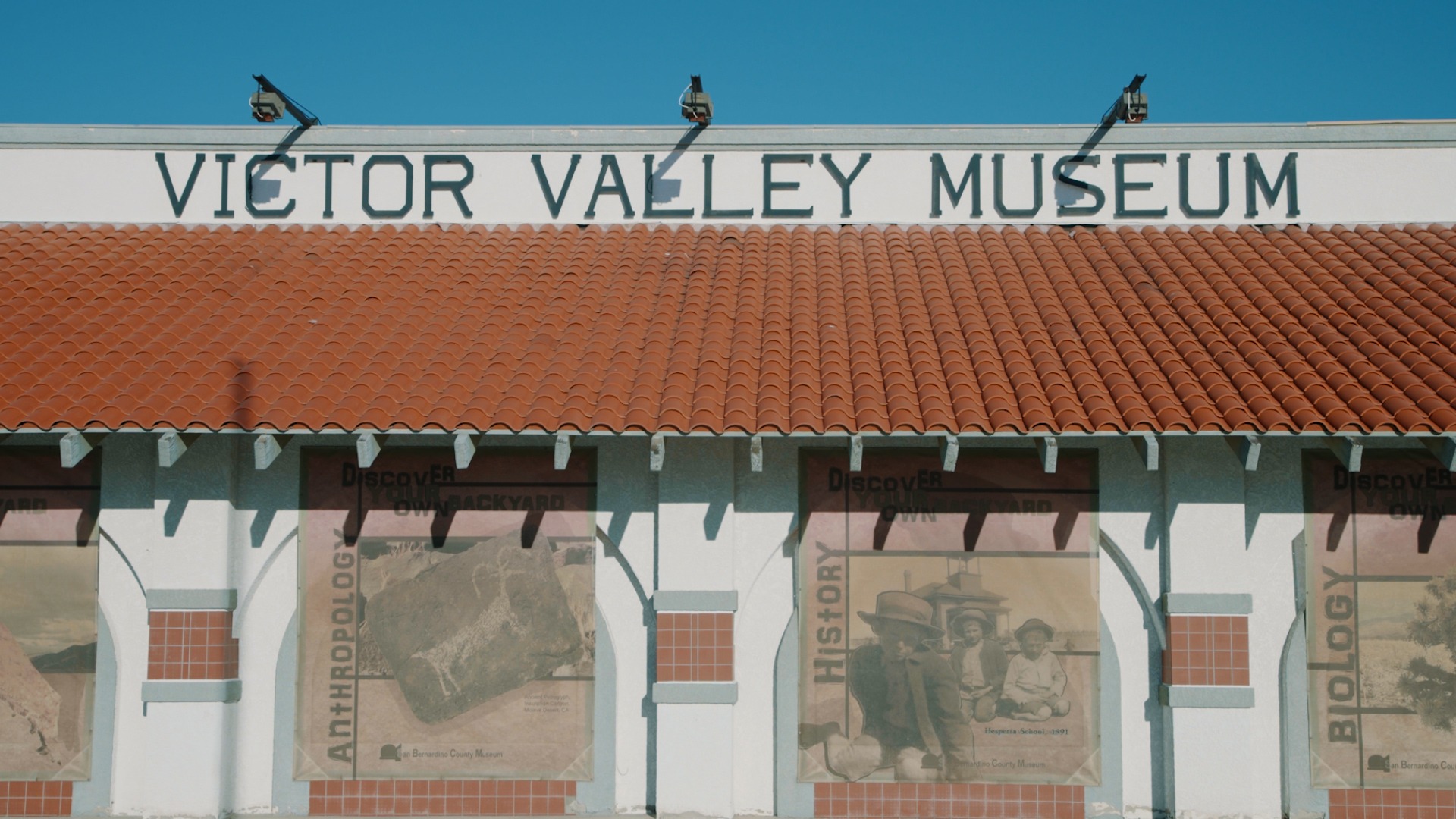
    The image shows the Victor Valley Museum's exterior with a red-tiled roof and a large sign. Below are display panels with images related to Anthropology, History, and Biology.
    Victor Valley Museum

    Looking Ahead: Continuing the Artistic Journey

    The High Desert Open Arts Exhibition was more than just an event; it was a celebration of the artistic community that I am proud to be a part of. It highlighted the incredible talent that exists within our region and provided a platform for artists to share their work with a wider audience. I am deeply grateful for the recognition I received and for the opportunity to contribute to this vibrant community.

    Moving forward, I am excited to continue exploring my artistic journey and to share more of my work with all of you. The connections I made and the experiences I gained from this exhibition have inspired me to push the boundaries of my creativity even further. I look forward to participating in more events like this in the future and to continuing to contribute to the rich tapestry of art in the High Desert.

  • Mary is Contrary – Artist Mini Documentary – Printmaking

    Mary is Contrary – Artist Mini Documentary – Printmaking

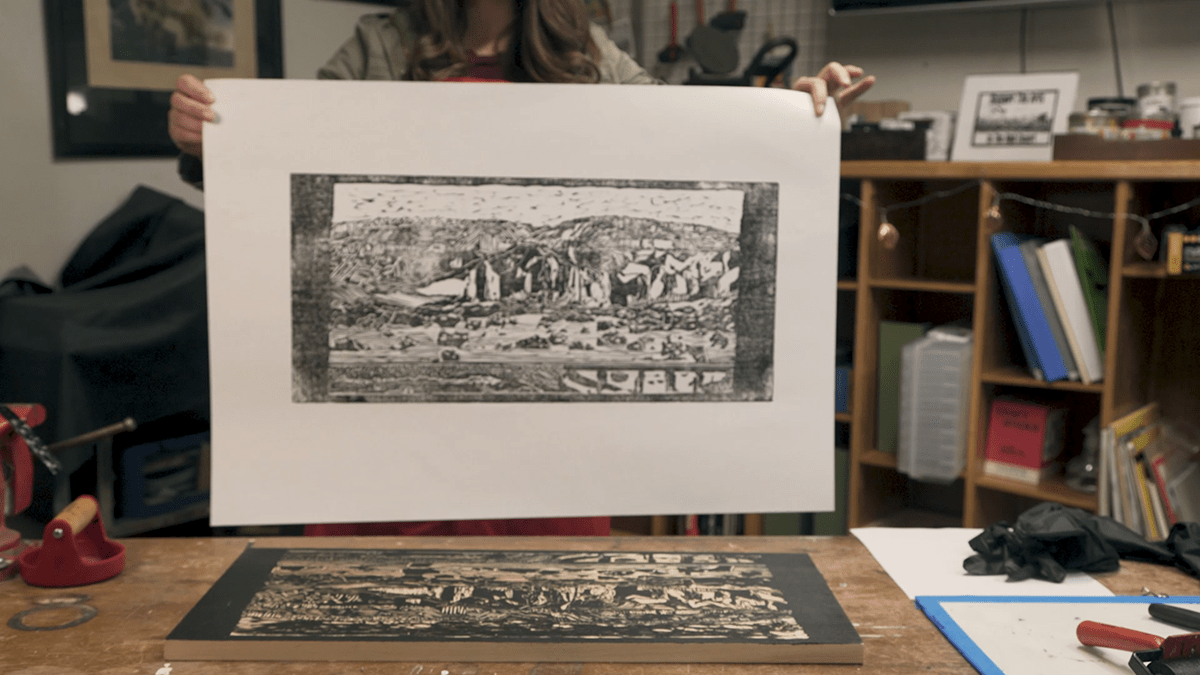
    I recently interviewed a printmaker and a fellow artist, Mary Vasquez, on her linocut and woodcut prints. This Mini Documentary shows the printmaking process and Mary’s journey to printmaking.

    The Process

    Mary has been blogging about the process of printmaking at home for a few years now on her site www.maryiscontrary.com

    Her site is a very useful and insightful recourse on printmaking where she covers topics on transfer methods, different materials , and personal recommendations for tools and paper.

    If you would like to know more about the process you can visit her posts through the links below.

    What is a Linocut? 

    Getting Started With Linocut Printmaking 

    What are the Best Lino cutting tools? 

    5 Papers for Linocut Printmaking 

    Paper info: Printmaking with Linocut 

    Paper info: Printmaking with Linocut 

    Top 5 Inks for Linocut at Home 

    Mary even has a Forum you can join to ask questions or join discussions about printmaking.

    About the Mini Documentary

    This artist Mini Documentary  was brought to you by Dmitriy Astakhov and Northgate Entertainment.

    Northgate Entertainment is a California based production company specializing in the complete creative workflow of television commercials, documentaries and films.

    Northgate Entertainment has recently published a very cool commercial around Christmas time for  IEHP . Check it out 

    For inquiries please visit www.northgateentertainment.com

  • What are the Best Lino Cutting Tools?

    What are the Best Lino Cutting Tools?

    Visit maryiscontrary.com for more information on printmaking at home. For some great Linocut Process information, Mary has a very resourceful section on her site here LINOCUT PROCESS.

    Starting out with linocut printmaking can be both fun and daunting especially when you look into the large variety of tools you can purchase for linocut.

    When I first started out carving with linoleum I had to learn a lot about the different kinds of tools out there. Honestly, there are a lot that will probably get the job done and do an amazing job.

    BEST LINO CUTTING TOOLS

    To save  you some time right away and let you know what the best lino cutting tools are.  By the way, I have not used every tool out there and these are strictly my opinions. However, the tools I am about to tell you about are amazing and I think you’ll be happy with the results.  

    This post contains affiliate links, which generates some small commissions at no extra cost to you. This commission helps keep this blog and shop running. Thank you for your support. See my disclosure form for more information.

    The best Lino Cutting tools are Pfeil Swiss Made. This is Palm set B to be exact. This company sells a variety of tools, but this set specifically is amazing for working with lino cutting.

    The handles are specifically made to fit in your palms and to prevent rolling off tables. This customization really shows the craftsmanship of these tools.

    The reason why this tool set is so amazing is the dimensions of the gouges. The smallest v gouge opening measures 1mm !!! This is amazing for fine details.

    I own this set and can tell you from personal experience that the tools are so beautiful. They are strong, well crafted and definitely worth the money.

    This set B in particular comes together in this set of 6 carving tools. However you can purchase them separately. This is great in case your v gouge wears down after time.

    Pfeil’s tools are so nice. They are what you may consider to be heritage tools. The type of tool you pass on to descendants of yours.

    WHAT IS THE DIFFERENCE BETWEEN A V GOUGE AND A U GOUGE?

    When I was first learning about these kinds of tools I heard new terms like V gouge and U gouge. I had never heard of these terms or knew what they were referring to except the general shape of the tools themselves.

    V GOUGE  DEFINED

    A V gouge known especially because of the V shape at the tip of the tool is used for fine outlines and details in carving.  The shape it carves out is great for outlining or for defining an edge.

    The V gouge that comes with the Pfeil set previously mentioned is perfect for very small details. Although, there are many different sized v gouges out there. The difference in the sizes can give you a large range of carved results.

    U GOUGE DEFINED

    A U gouge can have a couple of different purposes. The smaller U gouge sold in the pfeil set mentioned is called a veiner. It can expand the opening in the carved out portion that the small v gouge carved out.

    The larger U gouges are used for clearing out sections of the linoleum. This can make it simpler for removing large sections where you may not want ink.

    In carving out these large sections these U gouges can leave behind “Noise” is what I have heard it called. It is the small wavy lines that catch ink when you print. The wider the U gouge used the less of this Noise you will have left on  your linoleum.

    It’s definitely the artists preference whether or not to keep the noise sections or to carve it out a bit deeper. I like the noise in some of my projects, but have tried to avoid it when I am making something a bit more technical.

    ARE THESE TOOLS ONLY GOOD FOR LINO CUTTING?

    These Pfeil carving tools are not only excellent at carving linoleum, but they can also be used with rubber, or most commonly when carving wood.

    Wood cut is another form of relief printmaking using wood instead of linoleum. The tool used for this are interchangeably used between linoleum and woodcut printmaking.

    When I first got into linocut printmaking my Dad gave me an old set of wood carving tools we had used years prior in a wood carving class.

    They worked fantastically, however I opted for the Pfeil tools not too long after because they had smaller gouges for fine detail.
    HOW TO CARE FOR LINO CUTTING TOOLS?

    Pfeil tools will need proper care of its handles. A little linseed oil every now and again on the wood will help to condition the wood. In especially dry areas you may need to do this more frequently. You will start to notice the handles lighten and drying out.

    You will not need a lot of oil, just a bit dabbed onto a rag will do the trick. Use the dry side of the towel or rag to wipe off any excess oil.

    PLASTIC OR VARNISHED HANDLES

    Some of the other kinds of lino cutting tools you can purchase may have plastic handles or varnished wooden handles.

    If this is the case, oil will not be necessary for preservation. However, keeping the tools from exposure to heat will be important.

    Keep all of them out of reach from any heat source like a sunny window. They will still last quite a long time even if kept in these environments, but there may be some cracking of the plastic handles or even some blistering of the varnished wooden handles.

    HOW TO SHARPEN LINO CUTTING TOOLS?

    Pfeil has a guide about how to sharpen their cutting tools.  They suggest using a sharpening stone with a 100-120 grit.

    For a guide from Pfeil about their specific sharpening stones they carry click here.  (not an affiliate link, just for your information only).

    I have personally not gone this route for sharpening the Pfeil tools. Instead, I use a Slipstrop which is a wooden and leather combination. This tool does not sharpen the tools, but it deburrs the inside of the gouges.

    While carving the linoleum, I have had to use the Slipstrop a few times. It definitely helps keep the tools at their best especially to avoid injury.

    HOW WILL I KNOW WHEN TO SHARPEN LINO CUTTING TOOLS?

    You will be able to tell when it is time to deburr  your lino cutting tools once you have started carving a bit and the tools do not smoothly cut away the linoleum and it requires more force.

    Sharpening with a sharpening stone can be done less often and may not be needed for a few years of use.

    It is best to use the slipstrop often during carving to avoid injury. After you have worked with your tools a bit and get used to deburring them or even sharpening them, you will get a feel for your tools and know when they need sharpening.

    HOW LONG WILL LINO CUTTING TOOLS LAST?

    With proper storage and maintenance your tools could last decades. They are like most tools, the better you take care of them, the longer they will last and work properly.

    WHAT ARE SOME  MORE AFFORDABLE  LINO CUTTING TOOLS?

    If you do not want to invest in your lino cutting tools you can get some really good options for less of an investment.

    I still sometimes use my Speedball lino cutting tool for the larger v gouges or the Xacto blade.

    Other options can include using a dremel for textured effects, or an Xacto blade, and even a small punch drill bit I found in a hobby store.

    The fun part of making art can be the tools as well. If you get creative enough, you can make all sorts marks on your linoleum which can have some interesting results.  
    —
    Mary VasquezMaryisContrary.com

  • How to recognize the authors of paintings

    How to recognize the authors of paintings

    How to recognize the authors of paintings

    If the images have a dark background and everyone has tortured expressions on their faces, it’s Titian.

    If everyone in the paintings has enormous asses, then it’s Rubens.

    If all the men look like cow-eyed curly-haired women, it’s Caravaggio.

    If the paintings have tons of little people in them but otherwise seem normal, it’s Bruegel.

    If the paintings have lots of little people in them but also have a ton of crazy bullshit, it’s Bosch.

    If everyone looks like hobos illuminated only by a dim streetlamp, it’s Rembrandt.

    If the painting could easily have a few chubby Cupids or sheep added (or already has them), it’s Boucher.

    If everyone is beautiful, naked, and stacked, it’s Michelangelo.

    If you see a ballerina, it’s Degas.

    If everything is highly-contrasted and sharp, sort of bluish, and everyone has gaunt bearded faces, it’s El Greco.

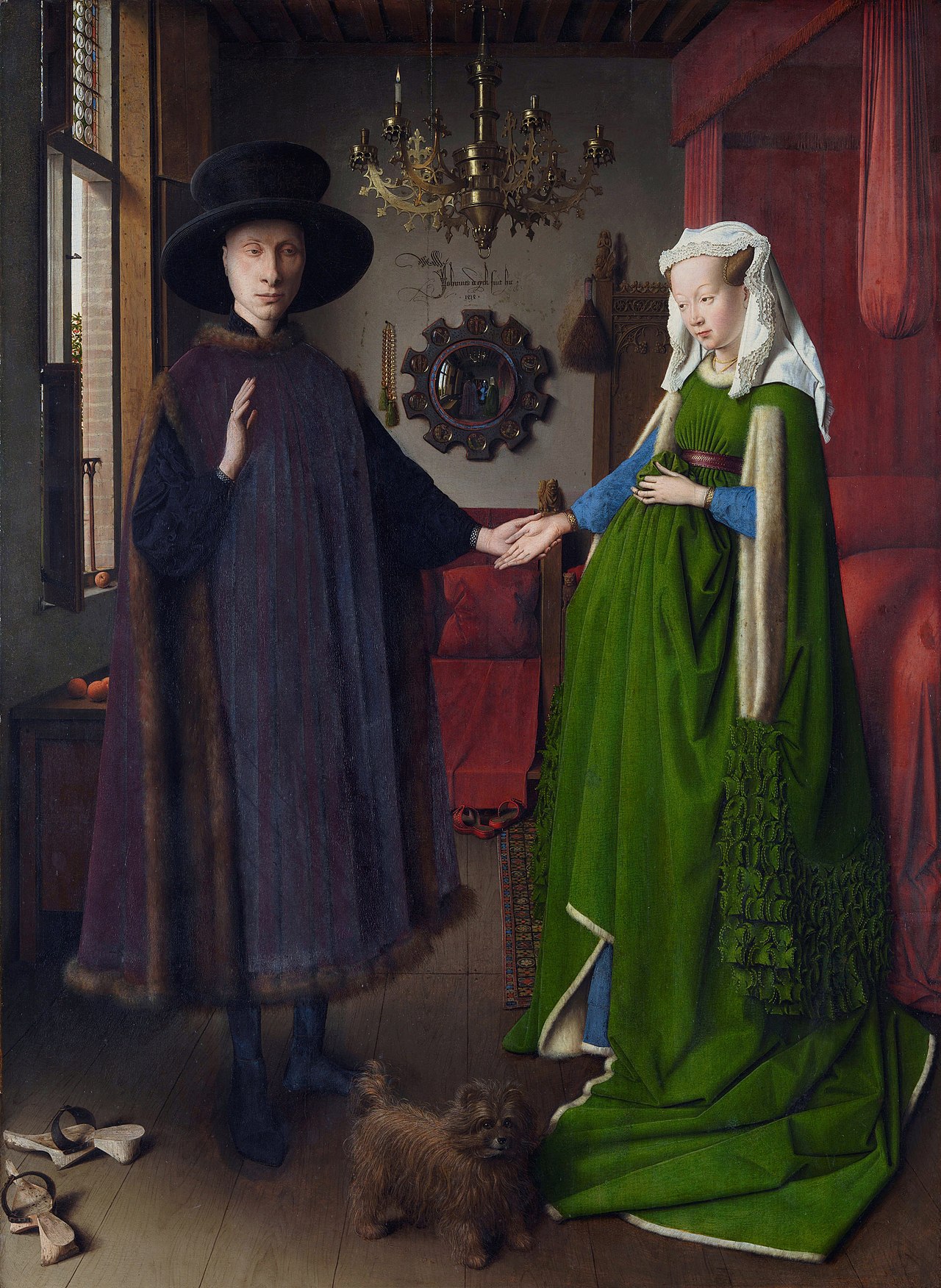
    If everyone – including the women – looks like Putin, then it’s van Eyck.

    If Everybody Has Some Sort Of Body Malfunction, Then It’s Picasso

    Lord Of The Rings Landscapes With Weird Blue Mist And The Same Wavy-Haired Aristocratic-Nose Madonna, It’s Da Vinci

    Dappled Light And Unhappy Party-Time People, Then It’s Manet

    Dappled Light But No Figures, It’s Monet

    Dappled Light And Happy Party-Time People, It’s Renoir

    Excel Sheet With Coloured Squares, It’s Mondrian

    If Every Painting Is The Face Of A Uni-Browed Woman, It’s Frida

  • The Underestimated Virtue Of Drawing: A Renaissance Of Learning Through Pencil And Paper

    The Underestimated Virtue Of Drawing: A Renaissance Of Learning Through Pencil And Paper

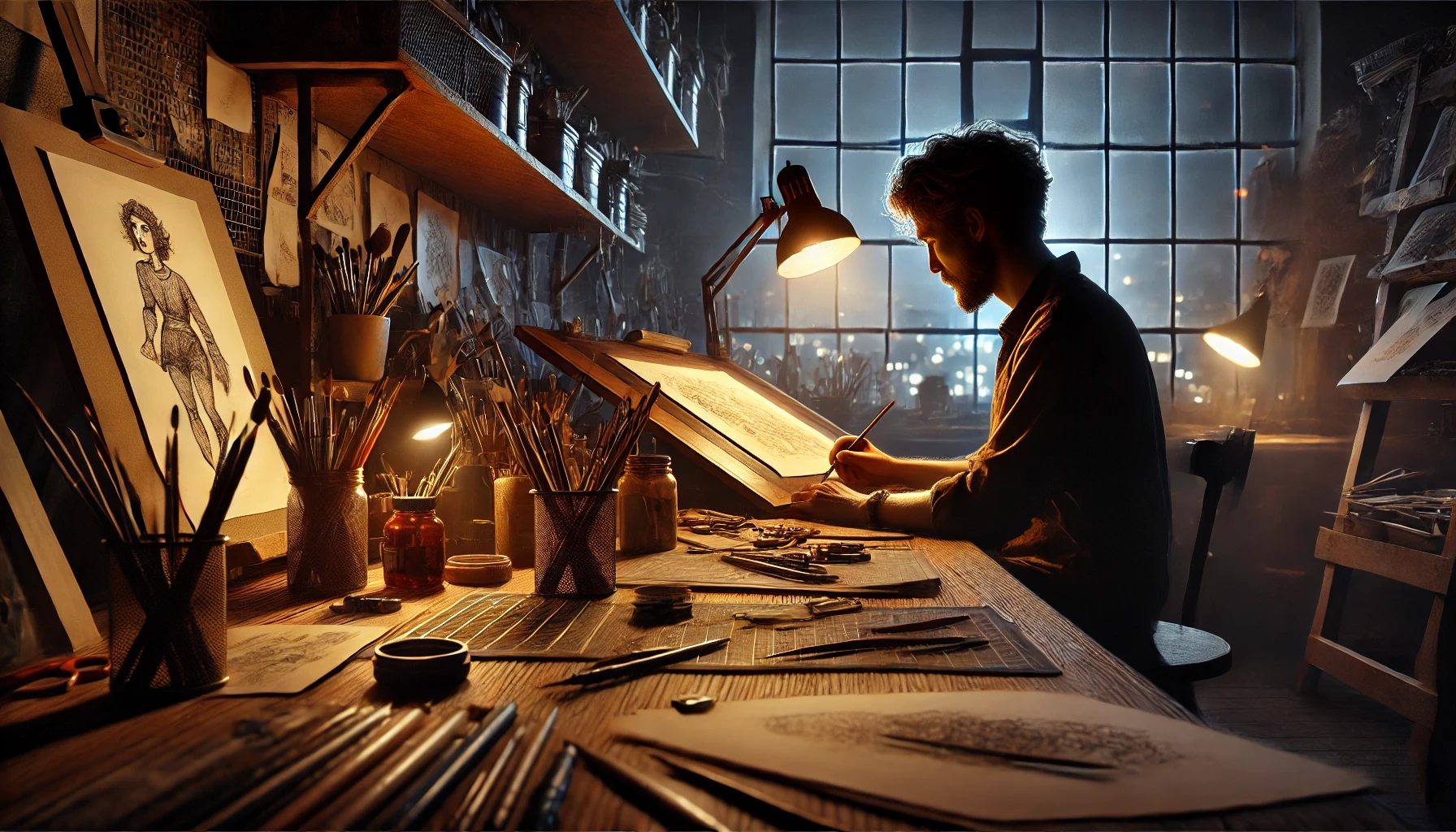
    In the contemporary era, marked by the rapid progression of technology and the allure of digital immediacy, the timeless practice of drawing with a pencil on paper often finds itself marginalized, misunderstood, and demoted to the narrow confines of artistic endeavor. Yet, this perception overlooks the profound and multifaceted role drawing plays in cognitive development, problem-solving, and the holistic understanding of the world around us. Echoing the insightful arguments presented by design historian D.B. Dowd in his seminal work “Stick Figures: Drawing as a Human Practice,” this exploration seeks to illuminate and advocate for the reimagining of drawing. Far from a mere artistic skill, drawing emerges as a fundamental, universally accessible tool for learning, exploration, and personal growth.

    At the heart of Dowd’s thesis is the contention that society has misclassified drawing, undervaluing its potential by confining it to the realm of professional artistry. This misconception is epitomized by the common lament, “I just can’t draw,” a phrase that resonates with many adults who, somewhere along their journey, have internalized the belief that drawing necessitates a high degree of technical skill. However, Dowd challenges this notion, arguing that such beliefs severely limit our appreciation and utilization of drawing as an innate human capacity. In redefining drawing as a form of “symbolic mark-making,” Dowd liberates this activity, placing it alongside writing and speaking as essential, natural methods of expression and discovery.

    The perpetuation of the myth that drawing is exclusively an art form begins early in our educational journeys. An excessive emphasis on realism and technical proficiency can stifle creativity and engagement, producing a sense of inadequacy and disconnection from the medium. However, by broadening our understanding of what it means to draw—to encompass everything from doodles and diagrams to abstract sketches—we recognize that drawing is not just for the “talented” few but a valuable tool for all, facilitating a deeper engagement with the material world and enhancing our capacity for comprehension and analysis.

    Drawing’s true value lies in its versatility and efficacy as a cognitive and problem-solving tool. It enables the visualization of concepts, simplifies the communication of complex ideas, and aids in the iterative process of exploration and understanding. This capacity for visual thinking is not confined to artists or designers but is beneficial across a broad spectrum of disciplines, including science, mathematics, and engineering, where drawing serves as a bridge between the abstract and the tangible.

    In stark contrast to the passive and ephemeral nature of digital information consumption, drawing demands engagement, immersion, and active participation. Dowd critiques the prevailing over-reliance on digital technologies for quick answers, arguing that this reliance undermines our ability to engage deeply and thoughtfully with information. Drawing, by necessity, slows us down, compelling us to observe more closely and to process what we see with greater care and consideration. This engaged learning process not only counteracts the superficiality of digital consumption but also reconnects us with our sensory environment, tapping into the evolutionary benefits of our manual dexterity and spatial intelligence.

    Beyond its cognitive benefits, drawing also plays a vital role in personal and social development. It fosters humility, as the act of drawing confronts us with the limits of our knowledge and capabilities. It teaches patience and respect through the disciplined observation required to capture the essence of our subjects. Moreover, Dowd posits that drawing can significantly enhance our sense of citizenship. By encouraging us to question, to observe critically, and to engage with the world thoughtfully, drawing becomes a tool for informed and reflective participation in society.

    Drawing, therefore, is not merely a skill to be mastered but a practice to be embraced for its capacity to enrich our understanding, to sharpen our minds, and to deepen our connection to the world. The act of drawing, in its most inclusive definition, becomes a journey of discovery—a way to see more clearly, to think more deeply, and to communicate more effectively.

    In advocating for a renaissance of drawing in our educational systems and daily lives, we acknowledge the untapped potential of this simple yet profound tool. By encouraging a culture where drawing is recognized and valued for its role in learning and exploration, we open the door to a more engaged, observant, and thoughtful society. It is time to shed the constraints of narrow definitions and to embrace the pencil and paper not just as instruments of art, but as essential tools in our collective quest for knowledge, understanding, and connection. Let us, therefore, dust off our sketchbooks and pencils—not in pursuit of artistic mastery, but as explorers and learners, eager to unlock the full spectrum of benefits that drawing has to offer.